General enquiry hours: Monday to Sunday 9:00–18:00Family & organisation enquiries:6919 8643
Cross-specialty Home Palliative Support
Home Palliative Support · Cross-specialty Team

Walking alongside patients with advanced illness,
one familiar step at a time at home

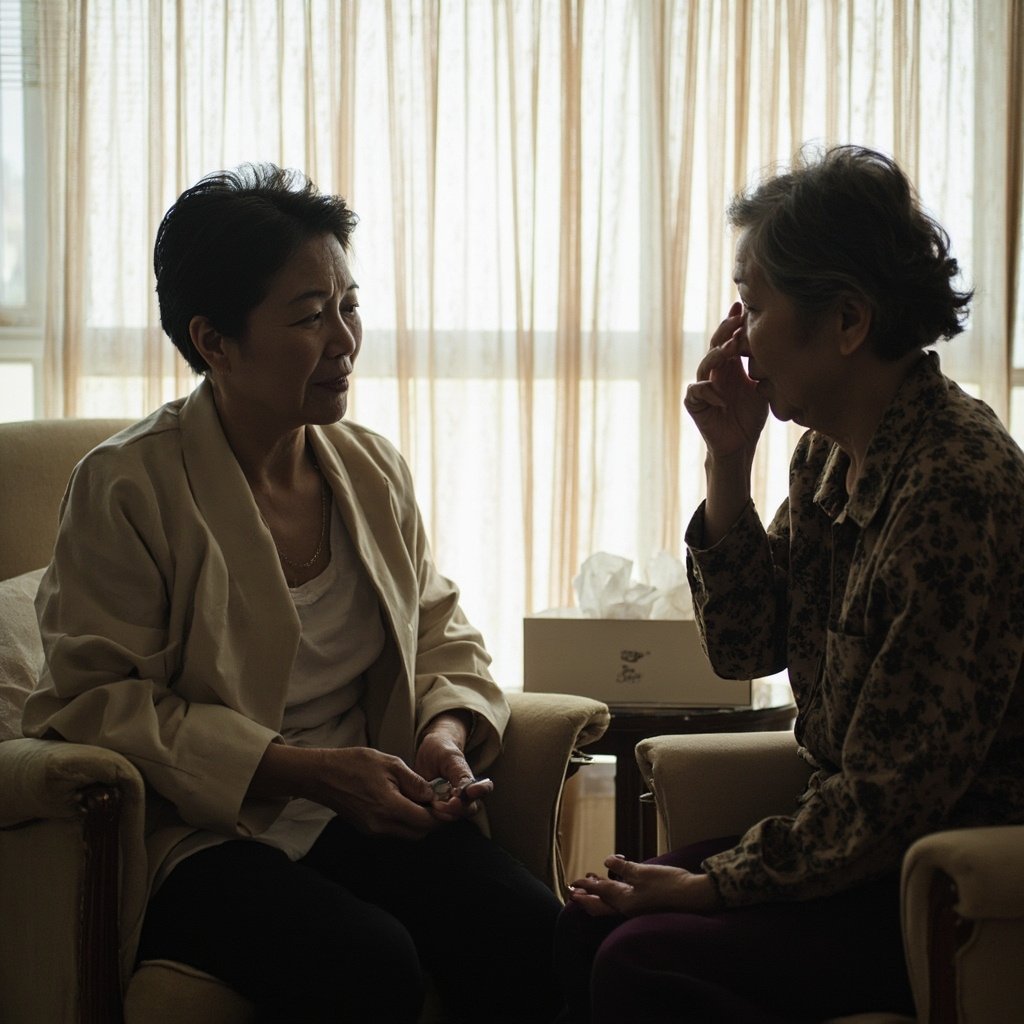
A cross-specialty team of doctors, nurses, therapists and social workers visits your home for symptom control, psychological support and caregiver training — helping patients receive appropriate care in their familiar environment while reducing unnecessary hospital admissions and travelling.

Symptom Management · Cross-specialty Coordination · Home Support
01

Symptom managementPain, breathlessness & discomfort control

02

Cross-specialty coordinationClear roles within the care team

03

Walking with the familyCaregiver guidance & emotional support

04

Fewer hospital visitsReceiving care in a familiar setting

Clinical Snapshot

Visible commitment, measured by clinical outcomes

Home palliative support is more than companionship — it is a systematic clinical intervention. The following indicators summarise the cases we have followed over the past 12 months, as a reference for service quality.

01

Pain control success rate

Combining pharmacological and non-pharmacological approaches and following WHO and NICE guidance, we aim to bring more than 90% of pain episodes to an acceptable level within 48 hours, with continuous side-effect monitoring.
02

24-hour support hotline

WhatsApp and phone lines run in parallel; non-urgent enquiries are answered within 4 hours, while urgent situations trigger an immediate call to the attending physician or a home assessment. An on-call line is also available overnight.

03

Cross-specialty team of 12+

Including geriatric, palliative-care and family-medicine doctors, physiotherapists, occupational therapists, registered nurses and social workers — flexibly forming a core group around each case.

04

38% fewer unplanned A&E visits

Among the cases we follow, A&E visits for preventable symptoms (pain, breathlessness, fever) have clearly decreased, alongside reduced anxiety for patients and families.

Four Pillars

Four support areas, combined as needed

Every patient and family has different needs. We organise home palliative support into four areas; the team assesses first, then decides which ones need to run in parallel.

Symptom control 01 · Symptom control

Symptom control & medication management

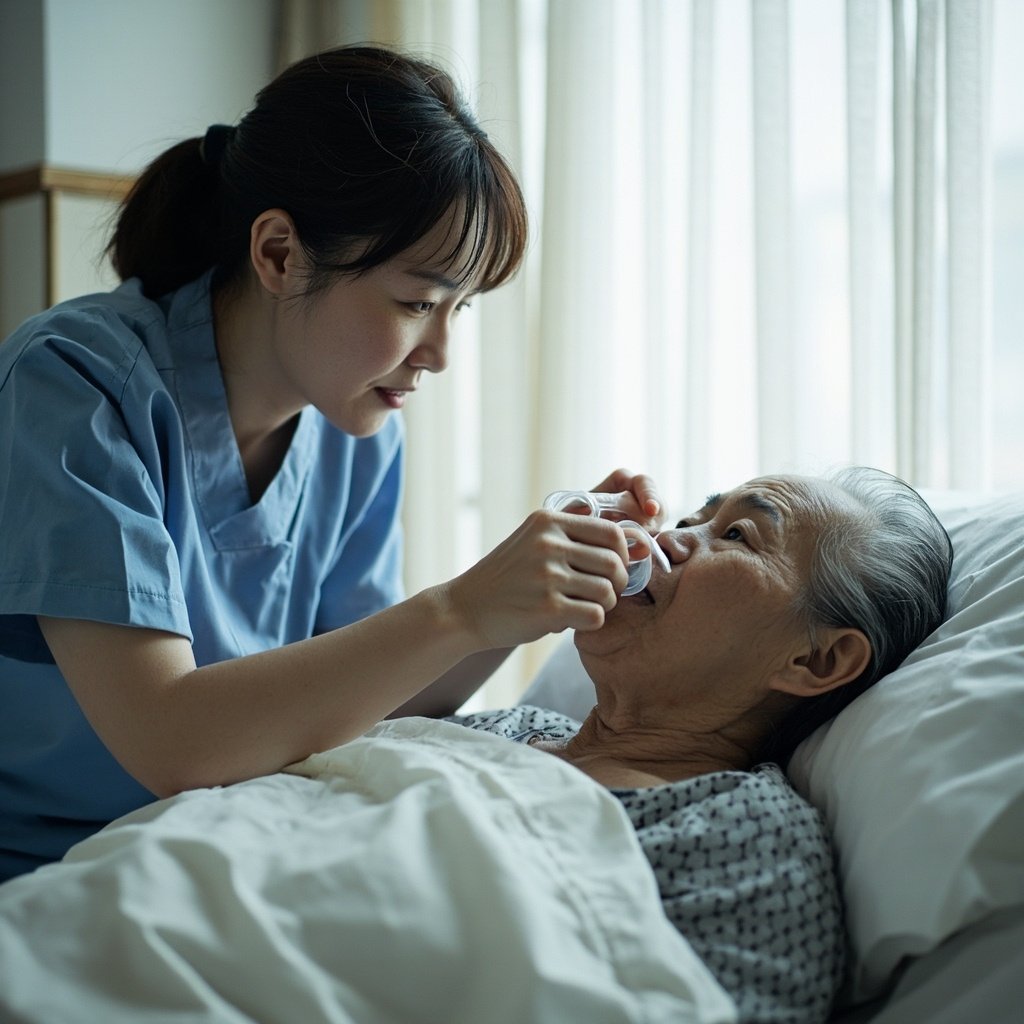
Managing common symptoms such as pain, breathlessness, nausea and vomiting, insomnia, constipation and delirium — combining pharmacological and non-pharmacological strategies, with ongoing liaison with the attending physician to adjust prescriptions.

  • Pain assessment & titration
  • Breathlessness management
  • Nausea & appetite
  • Insomnia & anxiety
Psychological support 02 · Psychological support

Psychological & spiritual support

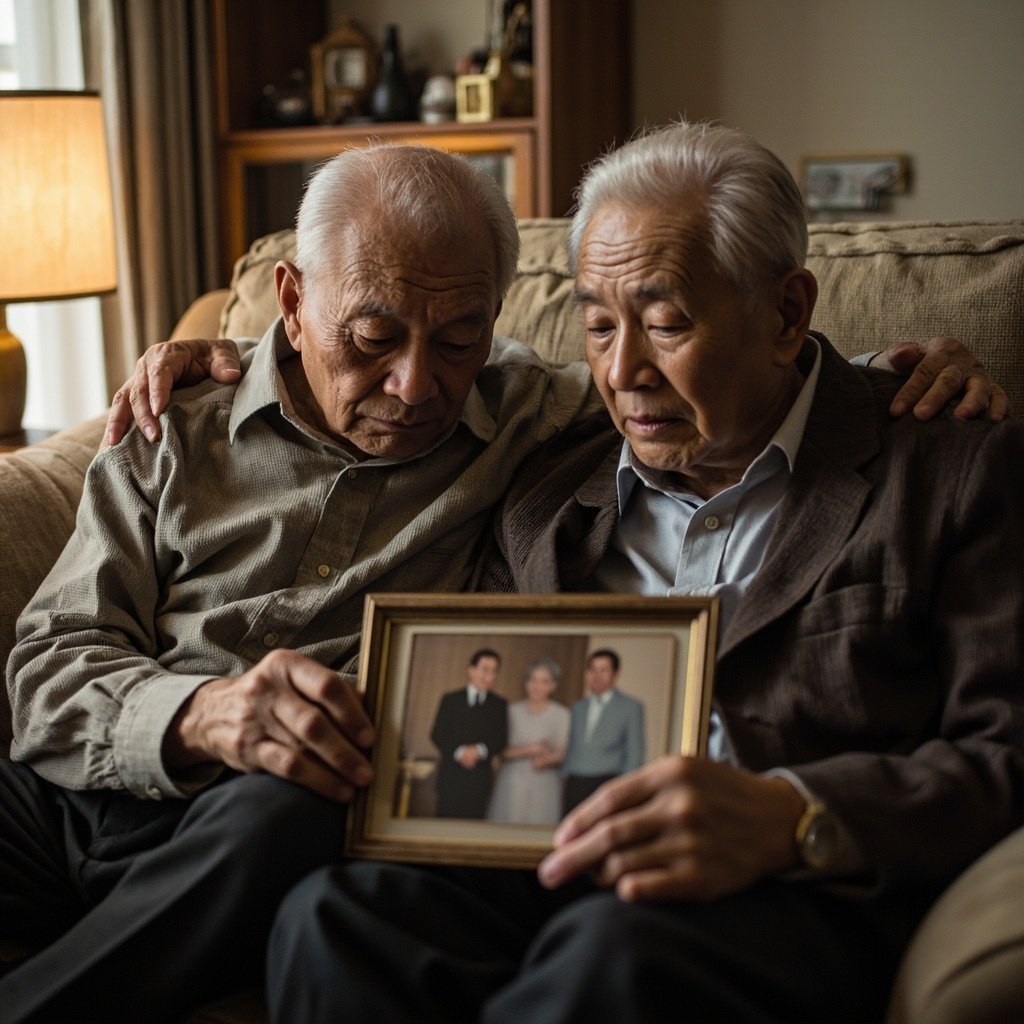
Helping patients and families navigate the emotional ups and downs, loss and existential reflection that illness brings, with individual or family sessions so that spiritual needs are also seen.

  • Emotional support
  • Family meetings
  • Dignity & autonomy
  • Spiritual needs
Home nursing 03 · Home nursing

Home nursing & environmental assessment

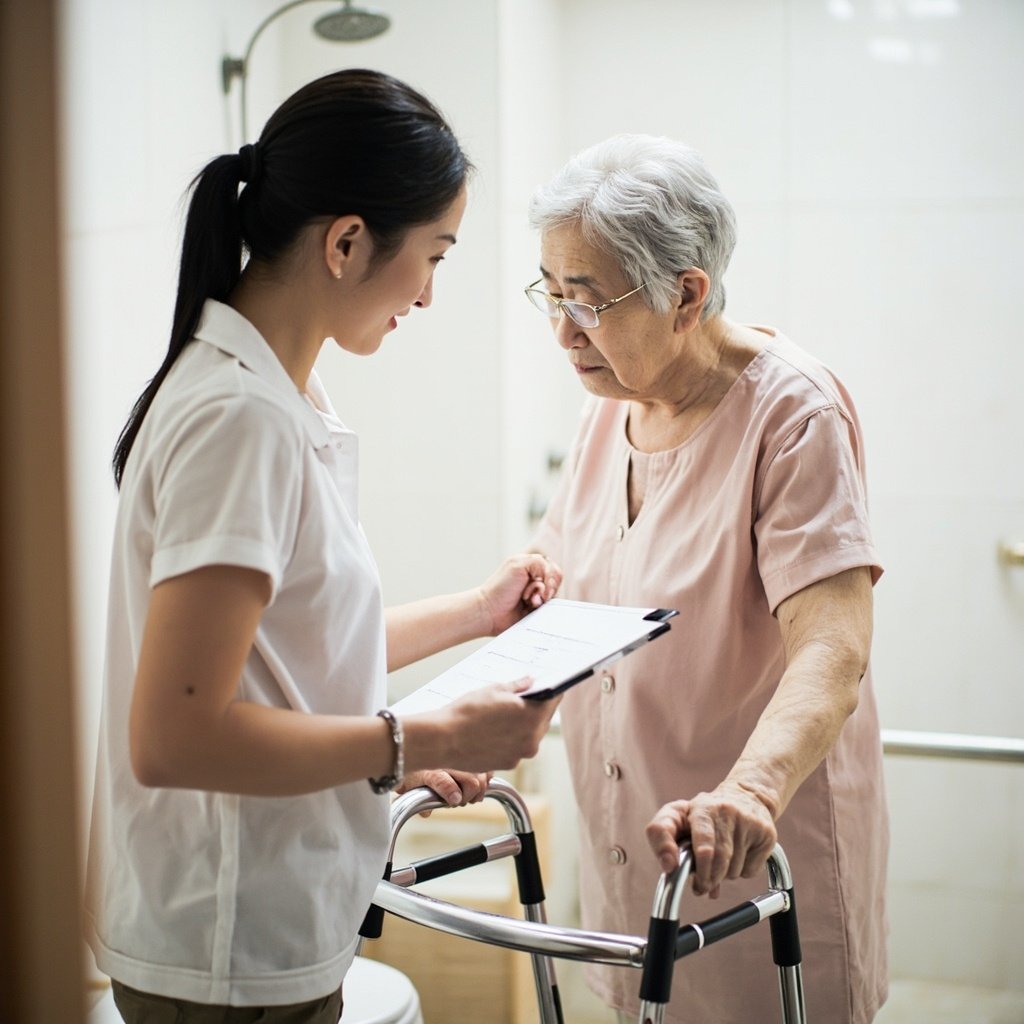
Therapists visit the home to assess the environment, recommend safe positioning with assistive equipment (grab bars, wheelchairs, pressure-relief mattresses), and arrange care staff for daily routines as needed.

  • Home safety assessment
  • Assistive equipment recommendations
  • Positioning & transfers
  • Personal care
Caregiver training 04 · Caregiver training

Caregiver training & emotional support

We provide family caregivers with hands-on training (turning, feeding, transfers, medication management) and run a caregiver support group so families receive ongoing companionship.

  • Hands-on care training
  • Medication management
  • Emotional relief
  • Support group
When To Call Us

When is this service right for you?

When illness has become more advanced, or when treatment shifts from cure to symptom control and quality of life, home palliative support can share the family's load and let patients receive professional care in a familiar setting.

Advanced cancer

Managing pain, appetite loss, fatigue and emotional distress, while liaising with oncology or palliative teams about the treatment direction.

Chronic organ failure

When heart, lung or kidney disease has reached an advanced stage, we help maintain stability in the community, control oedema and breathlessness, and reduce sudden admissions.

Advanced cognitive decline

Addressing swallowing difficulty, agitation and behavioural change, while supporting caregivers' decisions and physical load so families don't face it alone.

Families who need respite

The professional team temporarily shares caregiving duties so families can rest and recover, sustaining long-term care quality.

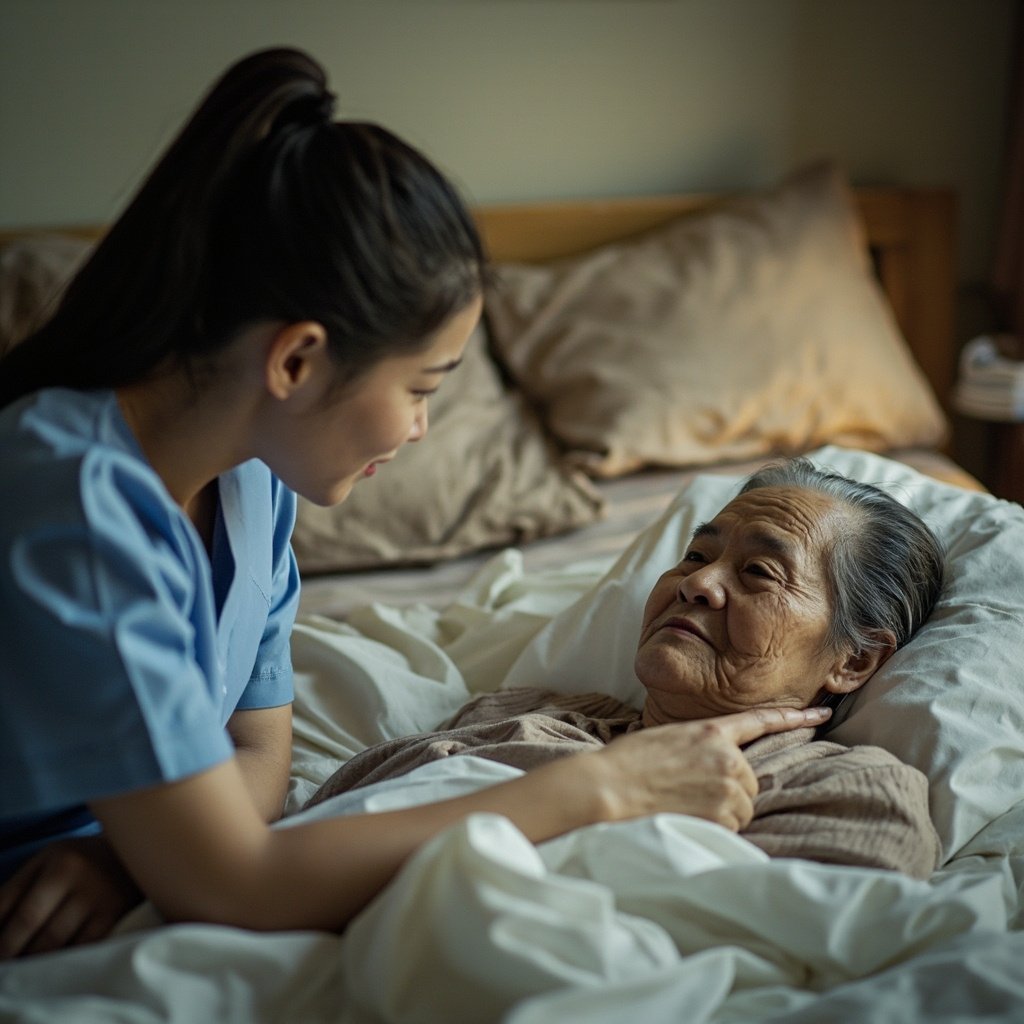
Cross-specialty team delivering home palliative support Symptom control + family support + medical coordination
Coordinated Care

Symptom management is more than medication

We look at the physical, psychological and family burden through a cross-specialty lens and adjust direction as needed, reducing unnecessary admissions or A&E visits. When circumstances change, the team reassesses with you rather than acting in silos.

  • Assessment and follow-up of pain, nausea, breathlessness, insomnia and other symptoms
  • Liaison with the attending physician and palliative team to adjust medication and the care plan
  • Practical care techniques, emotional support and hands-on advice for caregivers
  • Helping judge whether admission or an adjusted plan is needed when the condition changes
  • Facilitating advance care planning conversations and recording wishes formally
Common Questions

Common questions about home palliative support

These are questions we hear often. If you have other concerns, feel free to reach us via WhatsApp or phone — we'll first understand your situation, then decide whether a home assessment is needed.

Is a referral from the attending physician required?

Not necessarily. We can first understand your situation and, once service is arranged, contact the attending physician as needed. For more complex cases, we can also help draft a referral letter.

How does this differ from a hospital palliative team?

We focus on home-based support, acting as a bridge between the community and the hospital rather than replacing specialist services. When the condition deteriorates, we help with referral or admission.

Can family members join in?

Yes — we encourage family to take part in assessment, care planning and hands-on practice so support continues at home. We also offer emotional support and individual counselling for family members.

Is the service available on public holidays?

It can be arranged on request, including public holidays. The exact times are confirmed with the care plan, and an on-call phone line is available overnight for urgent contact.

Service Boundaries

Home palliative support does not replace emergency medical services. If a patient has a sudden or critical situation, dial 999 immediately; seeHong Kong Government emergency help information.

The next step is simple

Tell us what support you need

Just one WhatsApp — we'll first understand your situation, then help arrange the right service.

Enquire