Medical coordination
The home medical team stays in contact with the attending physician so that end-of-life symptoms are properly managed, avoiding unnecessary resuscitation and travel.
Home-based end-of-life care is more than a medical decision — it is a farewell that deserves to be treated gently. We help families handle the medical, post-death and emotional threads in parallel, so every step is met with care.
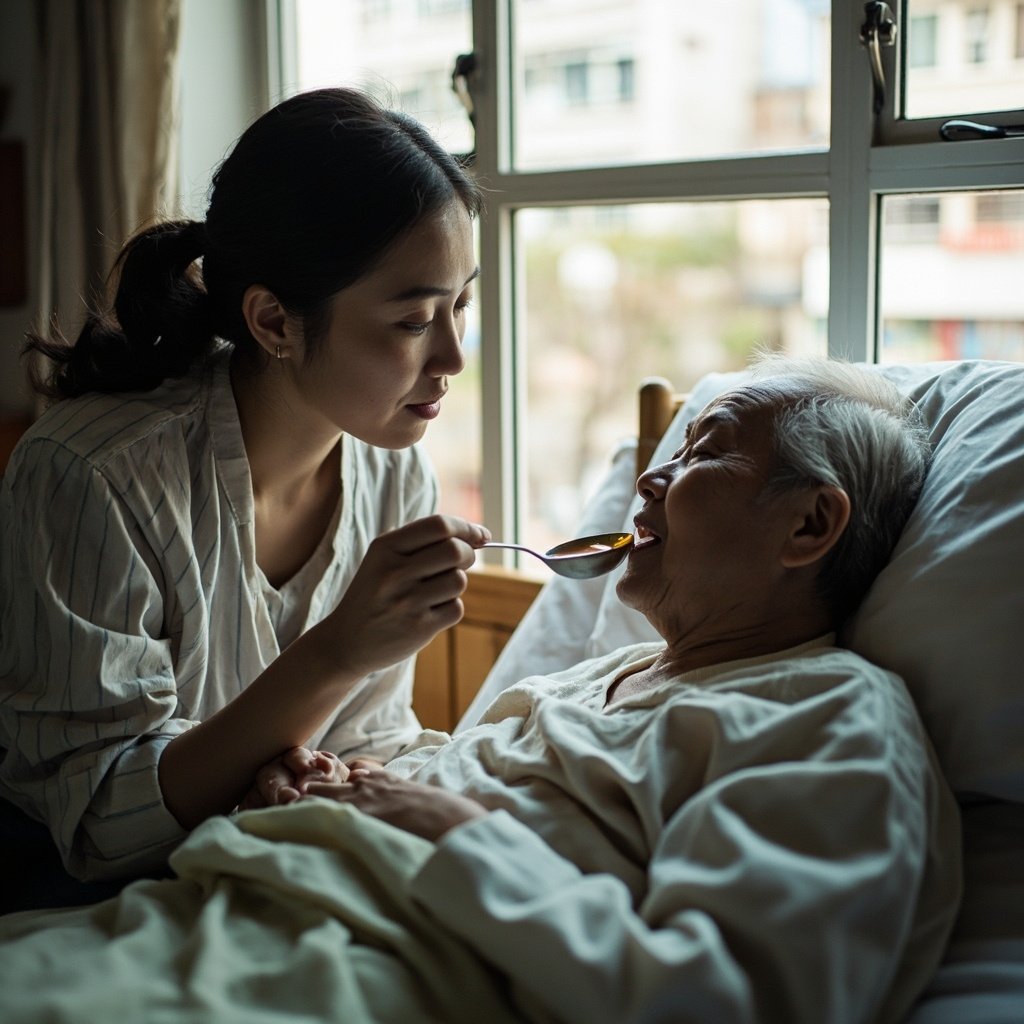 Family goodbyes · Medical coordination · Post-death support
Familiar environmentMinimise travel at the end of life
Medical coordinationWork with the attending physician & team
Paperwork supportHelp with the formalities around death
Bereavement supportFamily goodbyes & ongoing follow-up
When a loved one enters the final stage of life, the family can choose — by wish, health status and home circumstances — to complete the journey in hospital or at home. Below is a summary of the common differences between the two, to help families make a fitting decision.
In an ICU or medical ward, the hospital team leads treatment and end-of-life care. Common when there is an acute deterioration or insufficient home support.
In the familiar home, combining home medical care, nursing support and family presence, so the final stretch of life is completed at the family's own pace.
End-of-life care is more than a medical decision. We organise the whole journey around four directions of care so that, at every step, the family has someone alongside them.
The home medical team stays in contact with the attending physician so that end-of-life symptoms are properly managed, avoiding unnecessary resuscitation and travel.
Helping with the death certificate, funeral coordination and other formalities so the family doesn't face complicated procedures alone in grief.
A home visit to assess the environment and staffing, with care techniques, medication management and a contingency plan so family caregivers can feel confident at home.
Walking with the family through the emotional load before death, and offering bereavement counselling and follow-up afterwards so grief has space to be held.
When a loved one enters the final stage of life, families face both emotions and a heavy load of practical arrangements. Below are common scenarios where we are called in — if your family is in a similar situation, feel free to talk with us first.
Family wants the loved one to complete the final journey in a familiar setting, with medical and nursing support — making "being at home" not just a wish but a workable arrangement.
Unclear which formalities are needed before and after death, and wanting clear guidance and accompaniment so the family can focus on farewell and grief.
Facing a loved one's final hours under heavy pressure, hoping to share the load and the decision-making rather than carrying everything alone.
After a loss, needing time and space to process emotions and, as needed, professional follow-up so grief moves at its own pace.
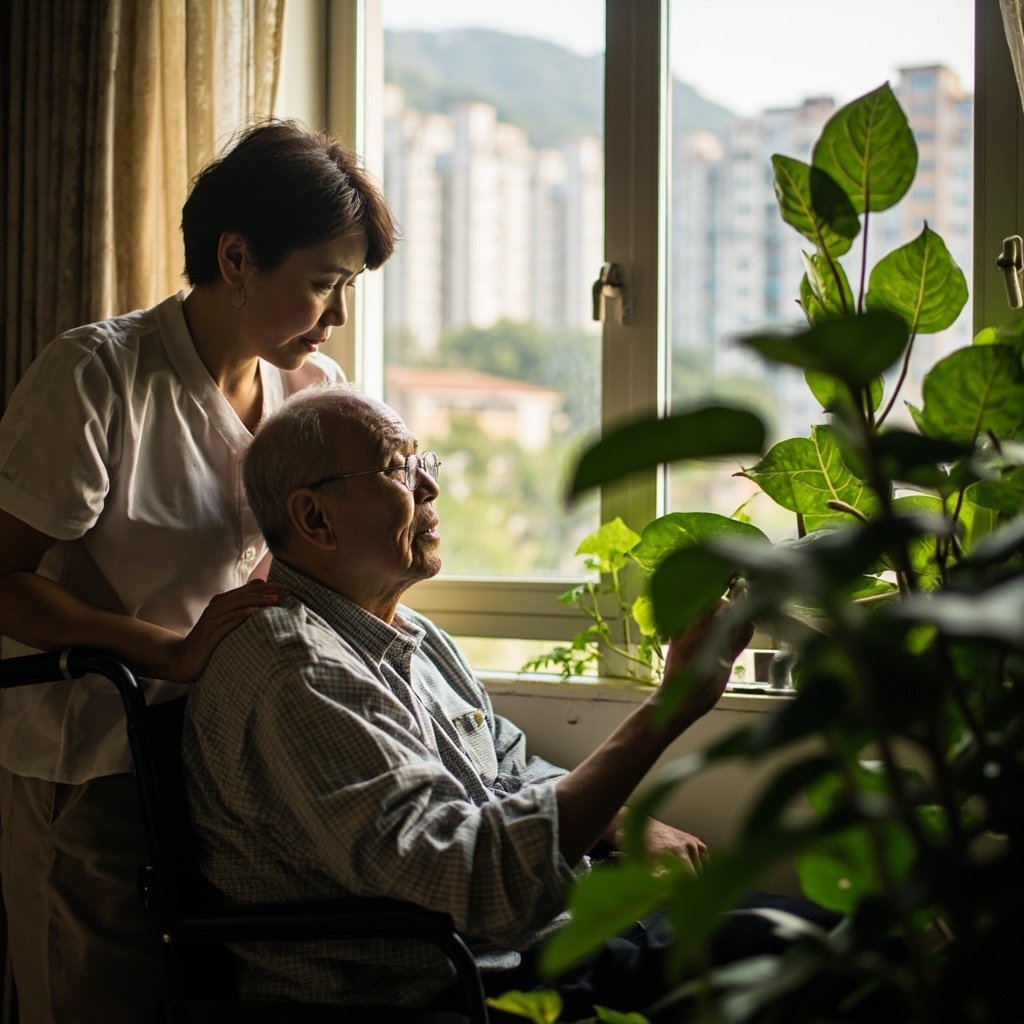 Medical · Legal · Post-death · Family goodbyes
End-of-life care is more than a medical decision — it is a farewell that deserves to be treated gently. We help families run the medical, post-death and emotional threads in parallel so they can focus on being present rather than being pushed along by procedure.
Below are some questions we hear often. The specific arrangements are confirmed after we understand the family's situation. If your family is facing something similar, feel free to talk with us first — you don't need to wait until "the very last moment" to reach out.
In most cases, yes — as long as the basics are in place and staffing is reasonable, a home farewell is workable. We first assess the environment (space, hygiene, building type) and suggest assistive equipment and staffing as needed.
Not necessarily. Common arrangements include regular visits, on-call support and, as the condition requires, more intensive home visits. We adjust the intensity to the stage of illness so the family has breathing room.
We are a community support, not a replacement for the hospital team — we act as a bridge to help communicate and follow up. When the situation deteriorates, we can also help arrange admission or contact a familiar care team.
Yes. We offer bereavement counselling and follow-up with relatives, and can keep going as long as the family needs. Family members can also join a support group to share with others who have been through similar experiences.
End-of-life care does not replace emergency medical services. In a sudden or critical situation before death, follow the family's wishes and the care team's advice, and dial 999 when needed; seeHong Kong Government emergency help information.
Just one WhatsApp — we'll first understand your situation, then help arrange the right service.